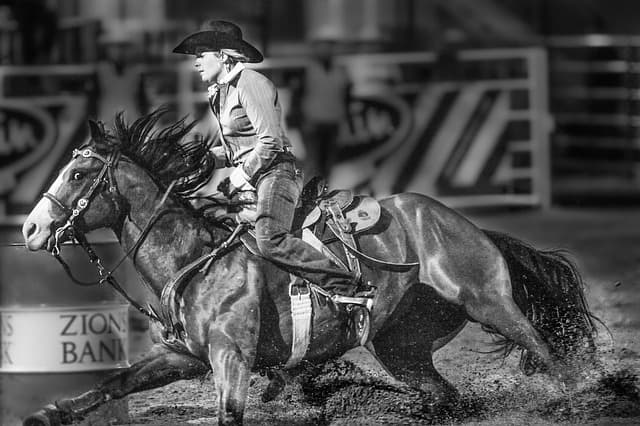
Rodeo is more than just a spectacle of bulls and lassos. It is part of Arizona’s cultural heritage, reflecting the frontier spirit, cowboy valor and ranching traditions dating back to the 19th century.
Rodeo has roots in Mexican and Spanish traditions
The roots of rodeo can be traced back to the era of Spanish colonization. In the XVII-XVIII centuries on the territory of modern Arizona there were Mexican vaqueros – shepherds who masterfully handled horses and cattle. Their skills eventually became the basis for future competitions. The word rodeo means “gathering cattle” in Spanish, and was originally purely practical in nature – chasing, sorting, and branding animals.
The American cowboy and the formation of rodeo in Arizona
After Arizona became part of the United States in the mid-nineteenth century, American cowboys began to adopt and develop local cattle ranching traditions. As the number of ranches in Arizona grew, so did the competition between cowboys. It was on ranches that the first informal competitions in horseback riding, lasso throwing, and holding on an unbroken horse began to be held.
One of the first official rodeo competitions in Arizona was an event held in the town of Prescott in 1888. This event is considered the world’s first organized rodeo with tickets, prizes and judges. It started a long tradition, Prescott Frontier Days, which continues to this day and holds the proud title of “America’s Oldest Rodeo.”
Rodeo as a social event
By the beginning of the 20th century rodeo in Arizona had become a mass phenomenon. It began to be held not only in Prescott, but also in Tucson, Flagstaff, Winslow, and other cities. Competitions became part of festivals, national exhibitions and fairs. Rodeo brought together people of different cultures: descendants of Mexicans, Native Americans, and immigrants from the Eastern United States.
Women and rodeo
Interestingly, women were also active in early rodeo competitions. Arizona was particularly notable for Pansy Ivy, who competed in the women’s rodeo in the 1920s and won recognition for her horsemanship.
Rodeo Today
Today, Arizona is one of the centers of rodeo in the United States. It hosts dozens of events each year, from local shows to the Professional Rodeo Cowboys Association (PRCA) national stages. Rodeo has become an integral part of the state’s cultural and tourist life, preserving the spirit of the wild frontier and cowboy traditions.